Lawn & Landscape Chemical Applications

Fertilisation, weed, insect and disease programs timed to the North Texas calendar — for homes, HOAs and commercial property.

Turf & ornamental programs

In North Texas, timing beats product

Almost everything that goes wrong with a lawn here is a timing problem rather than a product problem. Pre-emergent applied three weeks late does very little. Fungicide applied after brown patch has spread is damage control. Grub control applied once the damage is visible is largely wasted.

We run programs built around the North Texas calendar — soil temperature, our weed pressure, our diseases, and the grasses that actually grow here. The schedule below is the real reasoning, not a sales sheet, and you are welcome to use it whether you hire us or not.

Programs are available for single homes, HOA common areas and full commercial properties, and can run alongside a grounds maintenance contract or on their own.

Get a program quote
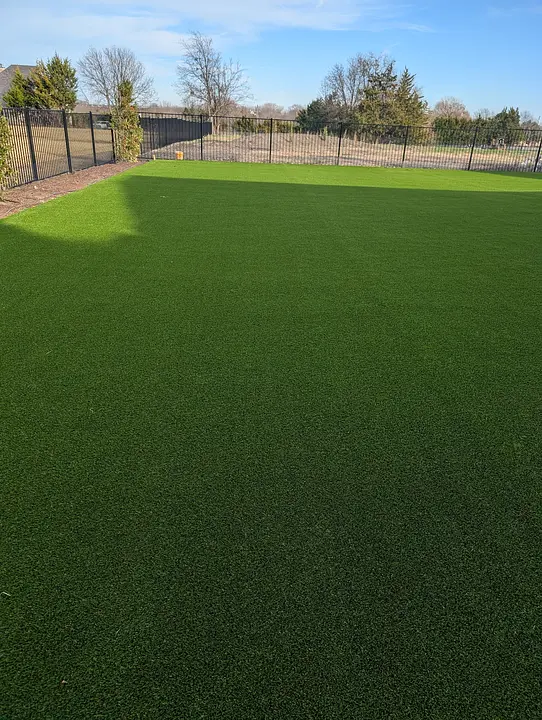
Healthy North Texas lawn along a fence line
Programs

What we apply, and why

Fertilisation & weed control

Seasonal fertilisation matched to grass type and time of year, plus both pre-emergent rounds and post-emergent control of broadleaf and grassy weeds. This is the backbone program and the one that changes how a lawn looks.

Insect, grub & fire ant control

Preventive grub control timed to the hatch, chinch bug treatment for St. Augustine through the summer, armyworm response after storms, and fire ant treatment for turf and beds.

Disease control & soil testing

Fungicide programs for brown patch in the autumn and take-all root rot in the spring, on properties with a history of them. Soil sampling tells us what the ground is actually short of rather than guessing at a bag.

Tree, shrub & bed care

Ornamental feeding, bed weed control and tree and shrub treatments, run as a separate program from turf — because beds and turf need different products on different schedules.

The calendar

A North Texas application year

Timing shifts a week or two either way with the weather. The sequence does not.

Time of yearWhat is happeningWhat goes down
Late February – early MarchSoil temperatures climb toward 55°F and summer annual weeds — crabgrass above all — start to germinate.Pre-emergent, round one. This is a window, not a month. Miss it and you spend the whole summer treating crabgrass instead of never having had it.
March – AprilWarm-season turf breaks dormancy and starts growing. Broadleaf weeds are small and easy to kill.First fertilisation of the year, timed to green-up rather than the calendar, plus post-emergent broadleaf control while the weeds are young.
May – JuneTurf at full growth. Grubs and fire ants become active.Fertilisation, preventive grub control, and fire ant treatment. Grub control works as prevention and barely works as a cure, so the timing matters.
July – AugustPeak heat and drought stress. Chinch bugs attack St. Augustine in hot dry spots; armyworms can appear overnight after storms.Insect control where scouting finds it, and spot weed control only. Blanket herbicide on heat-stressed turf does more damage than the weeds do.
SeptemberSoil cools and cool-season weeds — annual bluegrass, henbit, chickweed — germinate.Pre-emergent, round two. This is the round most people skip. It is also the reason their lawn is full of weeds the following February.
October – NovemberNights cool, dew lingers, and brown patch shows up in St. Augustine. Winter broadleaf weeds emerge.Autumn fertilisation, fungicide where there is a brown patch history, and post-emergent control of winter weeds before they establish.
December – FebruaryTurf is dormant and is not taking anything up.Soil sampling, dormant weed control where it is warranted, and planning the next season. Fertilising dormant turf feeds the weeds, not the grass.
A typical program runs six to eight rounds a year. Timing is driven by soil temperature and conditions, not by fixed dates.
Want to know what is actually growing out there first?

The Yard Smarts weed guide covers identification — crabgrass against dallisgrass, nutsedge, annual bluegrass, henbit, clover — the soil-temperature windows that decide when treatment works, and the products that damage the wrong grass. Lawn weeds and when to treat →

Know your grass

The three lawns of North Texas

What is safe and effective on one of these can damage another. Identifying the turf correctly is the first thing we do.

Bermuda

Full sun, aggressive, recovers quickly from damage and tolerates being mown short. It is the hungriest of the three for nitrogen and the most forgiving of a mistake. Its weakness is shade — Bermuda thinning under a tree is a light problem, not a fertility one.

St. Augustine

The shade-tolerant choice and very common here, but the most vulnerable: chinch bugs in hot dry summers, brown patch in cool damp autumns, and take-all root rot in spring. It is also sensitive to several herbicides that Bermuda shrugs off, so product choice genuinely matters.

Zoysia

Dense, fine and slower growing, with lower nitrogen needs than Bermuda. Handsome when it is right, slow to recover when it is damaged, and prone to large patch in wet cool conditions. Patience is part of the program.

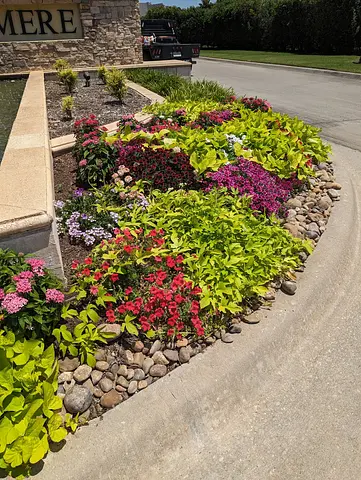
Landscaped bed with flowers and shrubs along a walkway
Licensing & safety

The label is the law

In Texas, applying pesticides to someone else’s property for hire requires a licence from the Texas Department of Agriculture. That is not a formality — it is the difference between a program designed around what the turf needs and somebody spraying whatever was on sale.

Every product carries a label that legally binds the rate, the timing, the conditions and the re-entry interval. More is not better; more is illegal, and on stressed summer turf it is actively harmful.

  • Treated areas are posted after application
  • Keep children and pets off until the application is dry, or longer where the label requires
  • Applications are held off ahead of rain that would wash them away, and off turf under severe heat stress
  • Product, rate and date recorded for every visit
Ask to see the licence.

Ask any lawn care company for their applicator licence before they treat your property, exactly as you would ask an irrigation contractor for their TCEQ number. Anyone legitimate will hand it over without hesitating.

It only works with the rest

Chemistry cannot fix a water problem

Most lawns that look bad despite a fertilisation program are being watered badly, not fed badly.

Want the lawn to actually change this year?

Programs for homes, HOA common areas and commercial properties.

FAQs

Common questions

How many applications a year does a lawn need?

A full program is usually six to eight rounds, spread across the year as the calendar above sets out. Fewer is possible and still worthwhile — but if you are only going to do two things a year, make them the two pre-emergent rounds.

Is it safe around children and pets?

Keep them off treated areas until the application has dried, or longer if the product label calls for it. Treated areas are posted, and everything is applied at label rate.

Why did my weeds come straight back?

Almost always a missed pre-emergent window. Post-emergent kills what is visible; it does nothing about the seed already in the soil waiting for the right soil temperature.

Can I do just the pre-emergent rounds?

Yes, and it is a sensible place to start. Two rounds a year of prevention beats an unplanned year of chasing weeds.

Do you treat the beds as well as the lawn?

Yes — as a separate program. Beds and turf want different products on different schedules, and treating them as one thing is how ornamentals get damaged.

My sprinkler system does not work properly. Should I start a program anyway?

Fix the irrigation first. Fertiliser without even water is wasted, and in July it can burn the turf you were trying to help. We would rather correct the coverage and then start the program.

Can this run on a commercial property or HOA common area?

Yes. Application programs run on their own or as part of a grounds maintenance contract, with documented product and rate records for each visit.

Let’s talk

Get an estimate

Tell us about the property, the grass type if you know it, and what the lawn is doing. We’ll follow up with a program and a price.

Prefer to talk? Call (972) 240-8082, Monday to Friday, 8:00 AM to 5:00 PM.