Sprinkler Troubleshooting

Work out what is actually wrong — before you pay somebody to find out.

Yard Smarts guide

Work out what is wrong before you pay somebody to find out

A lot of irrigation call-outs are diagnosis, and diagnosis is billable. Ten minutes with this page will often tell you what is actually wrong — and sometimes that it is something you can fix yourself in the time it takes to read about it.

Where it is not, you will at least be able to say “zone four will not shut off and I can hear the valve buzzing” instead of “the sprinklers are broken”. That single sentence can be the difference between one visit and two.

Before anything else: find your irrigation shut-off valve.

It is usually in a ground box near the water main or the backflow preventer. Knowing where it is turns a stuck valve from a flooded yard and a large bill into a minor annoyance. Go and find it now, while nothing is wrong.

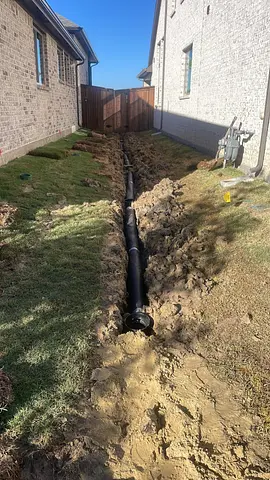
Irrigation valve and pipework in a ground box
Start here

Three checks that solve a surprising share of calls

Is the rain sensor stuck?

A sensor that has swollen shut or failed will hold the whole system off indefinitely, and the controller will look completely normal while it does. Check it before you check anything else.

Has somebody moved the switch?

Controllers have an off / auto / manual selector, and a separate sensor bypass. Both get knocked, and both produce a system that appears dead for no reason.

Is the main shut-off fully open?

After any plumbing work, or a winterization done by somebody else, the irrigation shut-off is often left partly closed. It shows up as weak pressure across every zone at once.

Symptom

One zone will not come on

Everything else runs, but one zone does nothing.

A solenoid tester tells you in seconds whether the coil is drawing current. Without one you are replacing parts on a guess.

Symptom

A zone will not shut off

Water keeps running after the program ends, or the zone starts on its own.

This is the failure that costs real money. A stuck valve can run thousands of gallons before anyone notices, and it usually shows up on the bill rather than in the yard.

Symptom

Nothing runs at all / the controller is blank

No zones, no display, or a display showing an error.

A rain sensor stuck in the tripped position is the cause often enough to be worth checking before anything else.

Symptom

Low pressure or weak spray on one zone

Heads barely lift, or the pattern falls short of where it used to.

If every zone is weak rather than one, the problem is upstream — the main shut-off partly closed, a pressure regulator, or a mainline leak.

Symptom

One head will not pop up

The zone runs but a single head stays down or barely rises.

Heads that repeatedly end up buried are usually set too low for how much this soil moves, and re-setting them to grade is a permanent fix rather than an annual chore.

Symptom

A head is spraying wildly or throwing a geyser

One head is fountaining, misting badly, or soaking a fence.

Pressure-regulated heads solve chronic misting properly. Turning the run time down does not.

Symptom

Water pooling in one spot every cycle

A patch stays soggy, or there is standing water after every run.

Persistent soggy ground with the system off is a drainage problem, and no amount of controller adjustment will fix it.

Symptom

The bill jumped and nothing looks wrong

No visible geyser, no soggy patch, just a much larger bill.

A mainline leak underground can run for months with nothing visible on the surface. The meter test is the only reliable way to find it early.

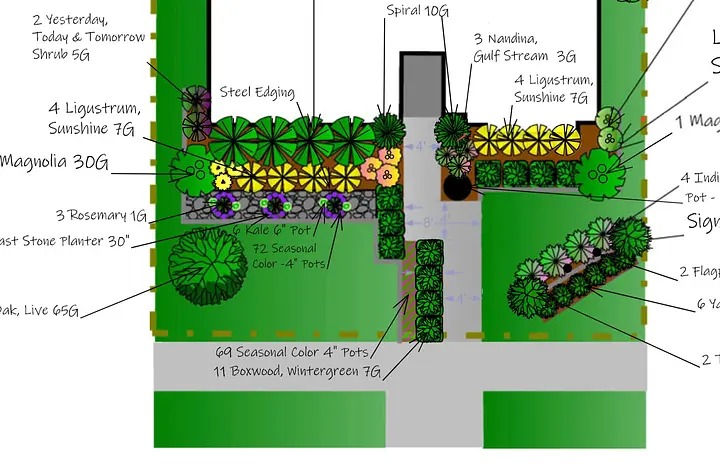
Irrigation plan showing valve and zone layout
Know where the line is

What you can do, and what needs a licence

You are entitled to work on your own irrigation system at your own home. Cleaning a nozzle, clearing soil off a head, resetting a controller and swapping a broken spray head are all reasonable homeowner jobs.

Where it changes: under Texas Commission on Environmental Quality rules, anyone selling, designing, installing, altering, repairing or servicing an irrigation system for somebody else must hold a TCEQ licence. Anything touching the backflow prevention assembly or the connection to the water supply is firmly in that territory, because it protects the drinking water supply, not just your lawn.

So: fix your own heads happily. If somebody is charging you to do it, ask for their licence number. Ours is TCEQ Licensed Irrigator LI5654.

Irrigation repair & service →

Diagnosed it and would rather not do it yourself?

Tell us what you found. Arriving already knowing the problem makes the visit shorter and cheaper.

Keep reading

Related guides

Let’s talk

Get an estimate

Tell us what the system is doing and what you have already checked. We’ll follow up to get you scheduled.

Prefer to talk? Call (972) 240-8082, Monday to Friday, 8:00 AM to 5:00 PM.